On my last birthday, I cooked nasi kuning/ Indonesian yellow rice for my birthday celebration at my office. In Indonesia, we use to have nasi kuning at every celebration or special occasion. I am glad many people like my nasi kuning and since then some people asked me how to cook nasi kuning. So here is the recipe. I want to share it here so you can try to cook it. 🙂
INGREDIENTS of Indonesian Yellow Rice
- 6 cups rice (wash it first) around 1 kg rice
- Water
- 200ml thick coconut milk (you may need more if needed )
- 4 pieces of fresh lemongrass (wash and crash it)
- 2 bay leaves
- 2 pandan leaves
- 2 pieces of fresh turmeric / 2 spoons of turmeric powder
- 2 Onion (or more)
- 2 Garlic (or more)
- 1 teaspoon salt
- Chicken Broth Powder (optional)
INSTRUCTIONS
- Grind the onion, garlic, and turmeric
- then saute it using just a little bit of oil add also the lemongrass and bay leaves, and saute until it is brown.
- Put the rice in the rice cooker, and then add also all the seasoning that has already been sauteed, then add water, coconut milk, pandan leaves, salt, and chicken broth powder.
- Mix all of them and taste if need more salt or coconut milk.
- Cover and set the rice cooker on and cook until it begins to boil.
- Stir the rice when it boils and stir again when it is almost cooked. Cover again and continue cooking until it cooks well.
- Remove all leaves before serving. Serving with fried chicken, potato croquette or sliced omelet, and fresh cucumber.
- Helpful hints: If the rice seems to be too dry before the grains are soft and swollen, sprinkle with a little more water and continue cooking.
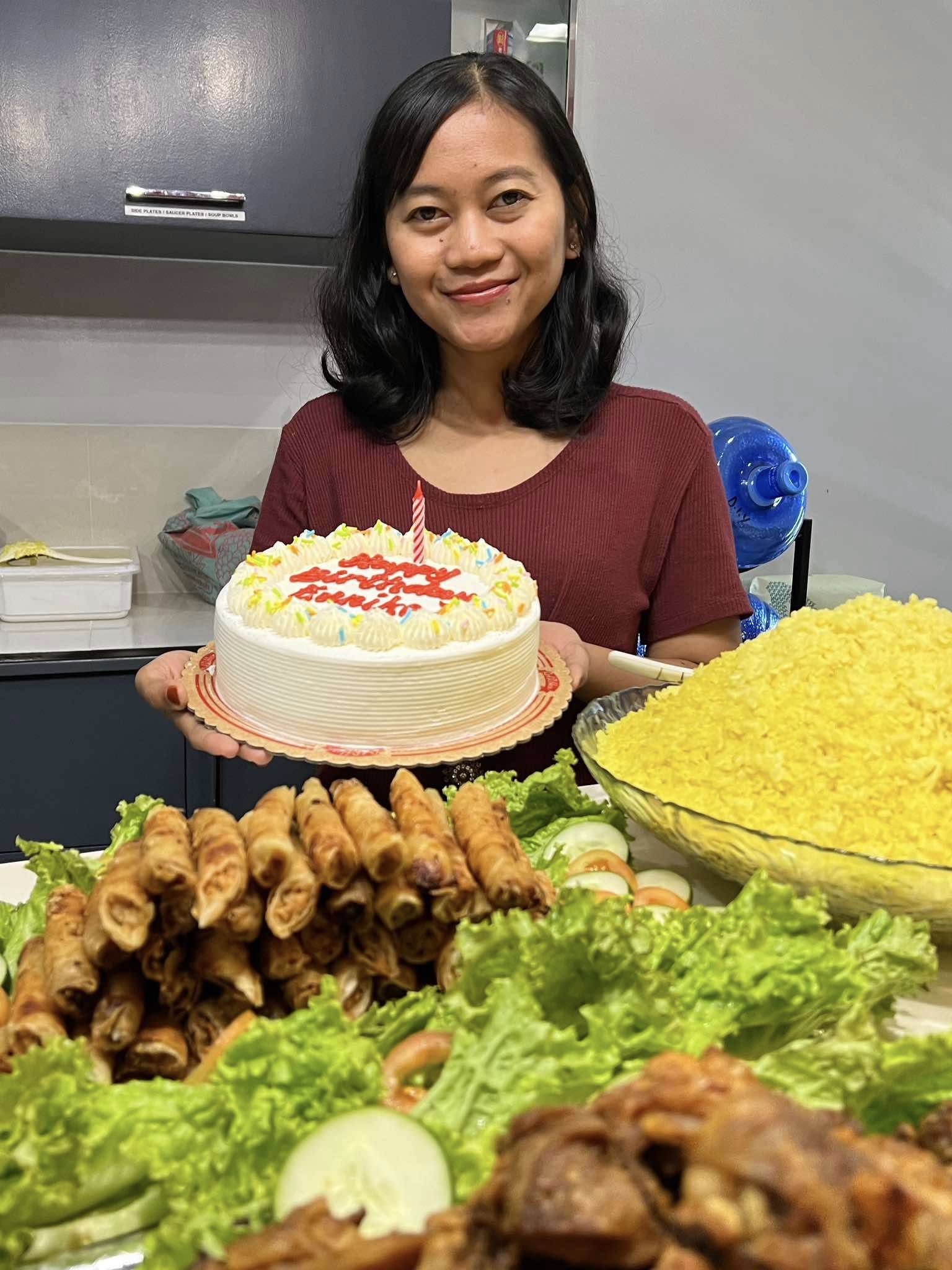
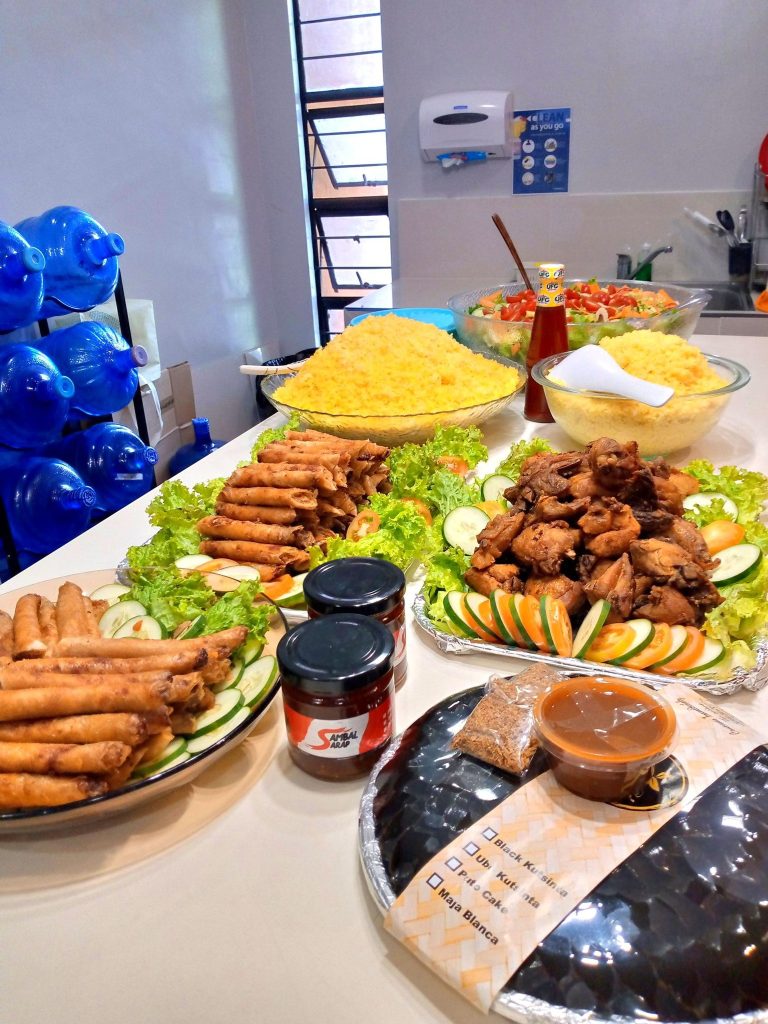

Nasi in Indonesian means rice and kuning means yellow. It is famous for its delicious taste and aroma. The turmeric, along with other key spices, helps add flavor and aroma. Nasi kuning/Indonesian yellow rice is not a dish you’ll want to pair with soups or stews. It’s best when served with fried or grilled food.
In Indonesian culture, nasi kuning has favorable symbolic meanings. The yellow-colored rice is perceived to look like a pile of gold, so it is often served on festive occasions; including parties, housewarmings, welcoming guests, and opening ceremonies – as a symbol of good fortune, prosperity, wealth, and dignity. Enjoy Cooking!


